
A food science and industrial processing perspective
Brief
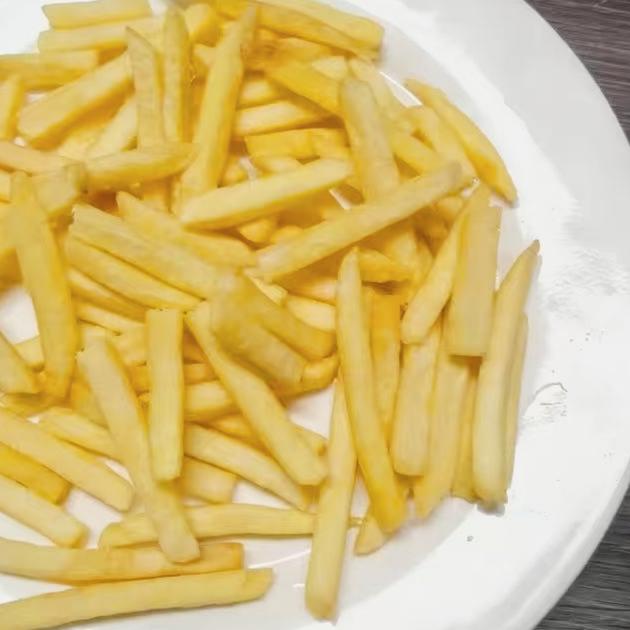
French fries originate from potatoes, which are botanically classified as vegetables. However, from a food science and industrial nutrition perspective, French fries are generally categorized as a processed potato product rather than a whole vegetable because frying significantly changes their water content, starch structure, oil composition, texture, caloric density, and nutritional profile.
Why This Question Matters in the Food Industry
From my perspective working around food processing systems, this question is actually about something much deeper:
At what point does a raw agricultural ingredient stop being considered a “vegetable” and become an “industrial food product”?
For consumers, the question sounds simple.
For manufacturers, wholesalers, frozen food suppliers, restaurant chains, and industrial potato processors, the answer involves:
- food classification
- processing chemistry
- nutrition labeling
- export standards
- frozen food manufacturing
- starch engineering
- oil absorption behavior
1. Botanically, Potatoes Are Vegetables
Potato
Potatoes are classified as:
- tuber vegetables
- underground storage organs of the plant
Because French fries are made from potatoes: their raw material origin is unquestionably vegetable-based.
But Industrially, the Story Changes
Once potatoes undergo:
- cutting
- blanching
- frying
- freezing
- dehydration
- oil infusion
they become a highly engineered processed food system.
Simple Analogy
A tree is natural wood.
But:
- plywood
- laminated flooring
- industrial furniture
are no longer treated the same way as raw wood.
French fries follow a similar transformation:
- vegetable → processed industrial starch product.
2. What Happens to Potatoes During French Fry Processing?
This is where industrial food science becomes important.
Step 1 — Washing and Peeling
Industrial processors remove:
- soil
- microbial contamination
- oxidized surfaces
Industrial Equipment
B2B production lines commonly use:
- drum washers
- steam peelers
- abrasive peelers
Step 2 — Cutting
Potatoes are transformed into standardized geometries.
Why Size Matters
Cut dimensions influence:
- frying kinetics
- moisture loss
- texture
- oil uptake
- freezing efficiency
Industrial Goal
Uniformity.
In B2B frozen fry manufacturing, even small size variation changes:
- cook time
- crispness
- color consistency
Step 3 — Blanching
This is one of the most misunderstood industrial steps.
What Blanching Actually Does
Hot water treatment partially:
- gelatinizes starch
- removes excess sugars
- reduces enzymatic browning
- modifies cell wall structure
Why It Matters
Without blanching:
- fries darken unevenly
- texture becomes inconsistent
- sugar caramelization increases
Analogy
Blanching is like:
- “pre-conditioning” the potato structure before final processing.
Step 4 — Industrial Frying
This stage fundamentally changes the product.
What Happens During Frying
Water evaporates
Internal moisture rapidly escapes.
Oil enters the structure
Microscopic pores absorb frying oil.
Starch gelatinizes
Texture transforms from rigid plant tissue into crispy starch foam.
Maillard reactions occur
Surface browning and flavor compounds form.
Key Industrial Insight
At this point: the product behaves less like a vegetable tissue and more like: a structured starch-oil matrix.
Simple Analogy
Fresh potato:
- like a water-filled sponge
French fry:
- like a crispy foam network with oil-filled pores
3. Why French Fries Are Usually NOT Considered a Vegetable Nutritionally
From a nutrition classification perspective:
French fries differ greatly from raw potatoes because processing changes:
| Property | Raw Potato | French Fries |
|---|---|---|
| Water content | High | Lower |
| Oil content | Very low | High |
| Energy density | Moderate | High |
| Texture | Plant tissue | Fried starch matrix |
| Processing level | Minimal | Highly processed |
4. Industrial Classification of French Fries
In B2B manufacturing systems, French fries are generally categorized as:
- processed potato products
- frozen convenience foods
- value-added agricultural products
- industrial starch-based foods
5. Why Potato Selection Matters in French Fry Manufacturing
Not all potatoes are suitable for fries.
Industrial French Fry Potatoes Require:
High dry matter
Improves crispness.
Controlled sugar levels
Prevents excessive darkening.
Proper starch structure
Influences internal texture.
Common Industrial Considerations
Processors evaluate:
- reducing sugar content
- starch percentage
- storage stability
- fry color index
- defect rate
6. Frozen French Fries: Industrial Engineering Perspective
Modern frozen fries are highly optimized B2B products.
Typical Industrial Workflow
- Potato grading
- Peeling
- Cutting
- Blanching
- Drying
- Par-frying
- IQF freezing
- Packaging
Industrial Goal
To ensure:
- uniform texture
- stable frying performance
- long frozen shelf life
- global shipping stability
7. Why This Topic Matters for B2B Buyers
B2B buyers are not simply purchasing “vegetables.”
They are purchasing:
- standardized processing behavior
- predictable starch chemistry
- oil absorption control
- consistent texture systems
- supply chain stability
Key Insight for Buyers
The commercial value of French fries depends less on:
- the potato itself
and more on:
- processing precision
- raw material consistency
- freezing technology
- starch behavior engineering
Final Answer
So, are French fries a vegetable?
Technically:
Yes — because they originate from potatoes.
Industrially and nutritionally:
They are generally classified as a processed potato product due to major structural and compositional changes during frying and industrial manufacturing.
Finally
From a food manufacturing perspective, French fries represent the transformation of an agricultural vegetable into a highly engineered starch-based convenience food optimized for texture, freezing stability, frying performance, and industrial-scale consistency.
French fries begin as vegetables, but industrial processing transforms them into standardized starch-based food products with fundamentally different physical, nutritional, and functional properties.