
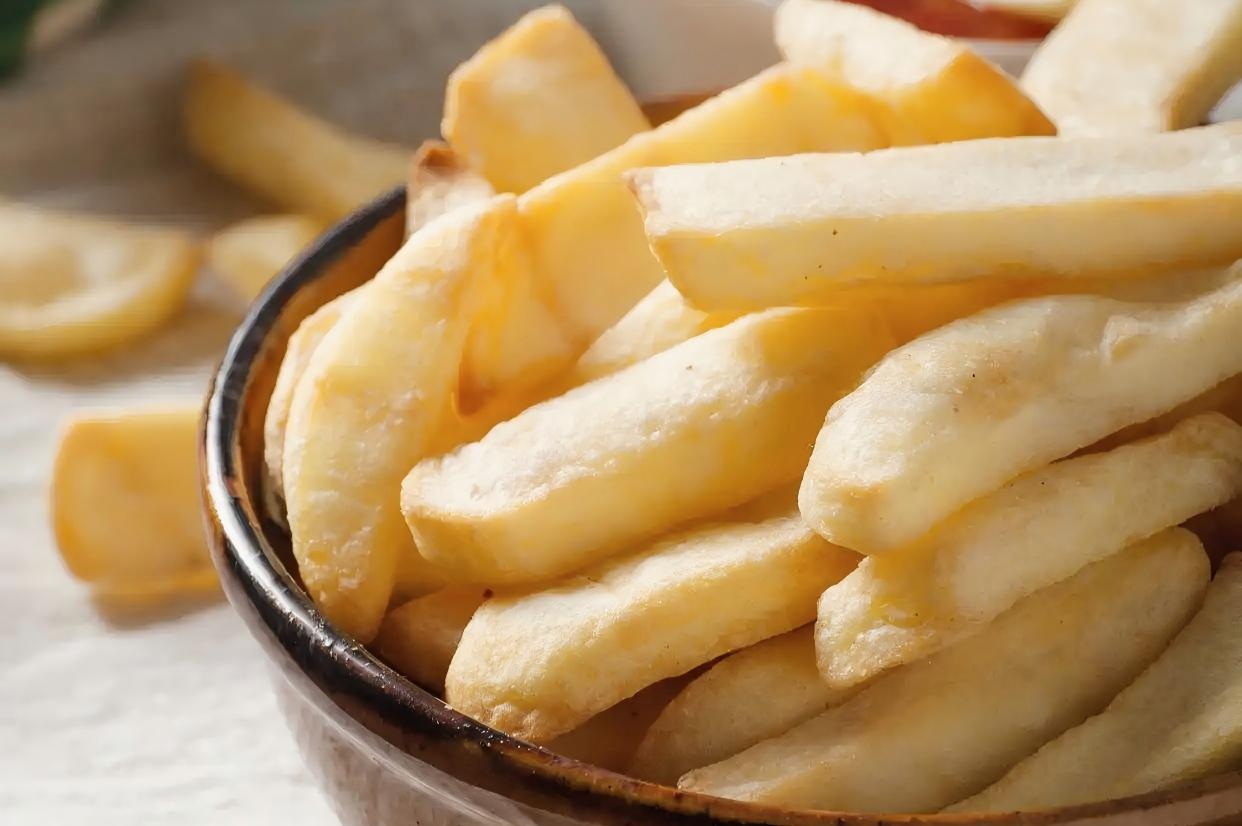
French fries nutritional content
French fries nutritional content mainly includes carbohydrates and fat, with moderate calories per serving. A typical 100-gram serving of deep-fried french fries contains about 200–300 calories, 18–23 g carbohydrates, 13–15 g fat, 2–3 g protein, and 1.6–2.5 g dietary fiber, depending on cooking method and oil absorption.
French fries are one of the most widely consumed potato-based foods worldwide. From quick-service restaurants to home kitchens and foodservice supply chains, fries are appreciated for their taste, convenience, and versatility. However, their nutritional profile is often debated. Are french fries simply empty calories, or do they still retain meaningful nutrients from potatoes?
This article provides a comprehensive, evidence-based overview of french fry nutrition info, examining macronutrients, fiber, vitamins, minerals, and health considerations. By combining scientific literature with industry and processing experience, we aim to present a balanced, practical understanding of the nutritional content of french fries and their role in modern diets.
Featured Nutrition Snapshot
French fries nutritional content (per ~100 g, deep-fried):
Energy: ~200–300 kcal
Carbohydrates: ~18–23 g
Fat: ~13–15 g
Protein: ~2–3 g
Dietary fiber: ~1.6–2.5 g
Values vary depending on potato variety, cut size, oil type, frying temperature, and processing method.
1. What Are French Fries?
French fries are prepared from potatoes that are cut into strips and cooked—most commonly by deep frying, though baking and air-frying are increasingly popular. From a nutritional standpoint, french fries are best understood as processed potato products, meaning their final nutrient profile reflects both the raw potato and the cooking process.
From an industry perspective, the nutritional baseline of fries is determined by:
Potato cultivar (starch type, dry matter content)
Pre-treatment (blanching, par-frying)
Cooking method (deep frying, oven baking, air frying)
Oil absorption and surface area
2. French Fries Nutritional Content: A Detailed Breakdown
2.1 Carbohydrates: The Primary Energy Source
Potatoes are naturally rich in starch, making carbohydrates the dominant macronutrient in french fries. This starch is rapidly digestible and provides quick energy, which explains why fries are commonly consumed alongside energy-demanding meals.
Author Insight (Industry Perspective):
From a raw material standpoint, the carbohydrate content of fries is largely inherited from potatoes themselves. Frying does not remove starch; instead, it concentrates energy density by adding fat. For individuals needing rapid energy replenishment, such as during intense physical activity, fries can function as a quick carbohydrate source—though not an ideal standalone food.
Scientific analyses consistently show that carbohydrates account for roughly 35–45% of total calories in fried potatoes (Friedman, 2003).
2.2 Fat Content: The Result of Frying
The most significant nutritional change occurs during frying. As moisture evaporates, oil penetrates the potato matrix, substantially increasing fat content.
Deep-fried french fries typically contain 13–15 g of fat per 100 g
Fat contributes over 50% of total calories
Oil type, frying temperature, and frying duration strongly influence fat absorption (Pedreschi et al., 2008).
Health implication:
While fat increases palatability and satiety, excessive intake—especially from repeatedly heated oils—may contribute to metabolic and cardiovascular risks when consumed frequently.
2.3 Protein: A Minor Contributor
French fries contain small amounts of protein (about 2–3 g per 100 g), originating entirely from the potato. Frying does not significantly alter protein quantity, though heat may affect amino acid availability slightly.
3. Dietary Fiber in French Fries
Are french fries high in fiber?
No. French fries are not high in fiber. A 100-gram serving usually provides only 1.6–2.5 g of dietary fiber, which is significantly lower than whole potatoes, legumes, or vegetables. Frying does not increase fiber and often lowers fiber density per calorie.
A 100 g serving of french fries typically provides 1.6–2.5 g of dietary fiber, which is relatively low compared to:
Boiled or baked whole potatoes (≈2.2–3.0 g fiber/100 g)
Legumes, whole grains, or vegetables
Why Fiber Is Limited
Potato fiber is primarily located in the cell walls and skin. During industrial processing and frying:
Peeling removes part of the fiber-rich skin
Structural changes reduce effective fiber density per calorie
Author Insight:
Although some dietary fiber from potatoes remains in fries, frying does not enhance fiber content. From a nutritional planning perspective, fries should not be relied upon as a primary fiber source. Pairing fries with vegetables or whole foods is essential for dietary balance.
4. Vitamins in French Fries
4.1 Vitamin C
Raw potatoes are a meaningful source of vitamin C. However, high-temperature frying leads to substantial vitamin C loss, often exceeding 50%.
Despite this reduction, fries can still provide small residual amounts, depending on processing conditions (Rickman et al., 2007).
4.2 B Vitamins
Potatoes contain several B vitamins, including:
Vitamin B6
Niacin
Folate (in small amounts)
These vitamins are more heat-stable than vitamin C, meaning fries retain part of their B-vitamin content after frying.
5. Mineral Content: Potassium and Beyond
Potassium
Potatoes are naturally high in potassium and low in sodium, a favorable mineral profile. French fries retain much of their potassium content, typically providing 300–400 mg per 100 g.
Other Minerals
French fries also contain:
Magnesium
Phosphorus
Iron (non-heme, low bioavailability)
Important caveat:
Commercial fries often contain added salt, significantly increasing sodium levels and potentially offsetting the potassium benefit.
6. Nutritional Changes and Limitations of Frying
6.1 Increased Caloric Density
Compared to boiled or steamed potatoes (≈80–90 kcal/100 g), fried fries deliver 200–300 kcal/100 g, primarily due to oil absorption.
6.2 Nutrient Loss
High temperatures degrade:
Vitamin C
Certain antioxidants
Some phenolic compounds
6.3 Formation of Potential Risk Compounds
During high-temperature frying, especially above 170 °C, acrylamide may form from the reaction between reducing sugars and asparagine (Maillard reaction).
Acrylamide exposure has raised public health concerns, leading to industry mitigation strategies such as:
Optimized frying temperatures
Blanching
Raw material selection (EFSA, 2015)
7. Are French Fries Unhealthy?
French fries are often labeled as “unhealthy,” but the reality is more nuanced.
Potential Downsides
High calorie density
High fat content
Low fiber relative to calories
Possible formation of acrylamide
Potential Positives
Source of carbohydrates for energy
Contains potassium and some vitamins
Highly satiating due to fat and texture
Author Insight:
From a food-industry perspective, fries are not inherently harmful; problems arise from frequency, portion size, and preparation method. Like many processed foods, fries fit best as an occasional component of a balanced diet rather than a staple.
8. Cooking Method Matters: Frying vs Baking vs Air Frying
| Method | Calories | Fat | Fiber | Overall Impact |
|---|---|---|---|---|
| Deep-fried | Highest | High | Low–moderate | Most palatable, least healthy |
| Oven-baked | Moderate | Lower | Similar | Better calorie control |
| Air-fried | Lower | Lowest | Similar | Best compromise |
Reducing oil exposure significantly lowers calorie intake while preserving much of the potato’s inherent nutrition.
9. Portion Size and Dietary Context
A typical restaurant serving of fries often exceeds 150–200 g, doubling or tripling calorie intake. From a dietary standpoint:
Smaller portions reduce energy load
Pairing fries with protein and vegetables improves glycemic control
Avoiding sugary drinks further mitigates metabolic impact
10. French Fries in Modern Diets
French fries can be included in modern eating patterns when:
Portions are controlled
Cooking methods are optimized
Overall dietary fiber intake is sufficient from other foods
For consumers, understanding french fry nutrition info empowers informed choices rather than elimination-based thinking.
Conclusion: A Balanced View of French Fry Nutrition
French fries derive their nutritional foundation from potatoes, providing carbohydrates, potassium, and small amounts of fiber and vitamins. However, frying substantially increases fat and calorie content while reducing certain nutrients.
Key takeaway:
French fries are not high in fiber and should not be considered a nutrient-dense food. Yet, when consumed occasionally and prepared thoughtfully, they can fit within a balanced diet.
From both a scientific and industry perspective, the nutritional impact of french fries is shaped less by the potato itself and more by processing, preparation, and consumption habits.
FAQ
1. What nutrients are found in french fries?
French fries mainly provide carbohydrates from potato starch and fats absorbed during frying. They also contain small amounts of dietary fiber, protein, potassium, and residual vitamins such as vitamin B6.
2. Are french fries considered healthy?
French fries are not considered nutrient-dense foods due to their high calorie and fat content. However, when eaten occasionally, in controlled portions, and prepared with less oil, they can fit into a balanced diet.
3. Do french fries contain fiber?
Yes, but only a small amount. French fries contain limited dietary fiber inherited from potatoes, typically less than 3 grams per 100 grams, which is insufficient to meet daily fiber needs.
4. How does frying affect the nutrition of potatoes?
Frying significantly increases calorie and fat content while reducing heat-sensitive nutrients such as vitamin C and some antioxidants. It may also lead to the formation of acrylamide at high temperatures.
5. Are baked or air-fried fries healthier than deep-fried fries?
Yes. Baked or air-fried fries generally contain fewer calories and less fat while retaining similar carbohydrate and fiber levels, making them a healthier alternative to deep-fried fries.
6. Why are french fries high in calories?
French fries are high in calories because they absorb oil during frying. Fat provides more than twice the calories per gram compared to carbohydrates or protein.
7. Can french fries be part of a weight-control diet?
French fries can be included occasionally in a weight-control diet if portion sizes are limited and they are balanced with high-fiber foods, lean protein, and vegetables.
References
Friedman, M. (2003). Chemistry, biochemistry, and safety of acrylamide. Journal of Agricultural and Food Chemistry, 51(16), 4504–4526.
https://doi.org/10.1021/jf030204+
Pedreschi, F., Kaack, K., & Granby, K. (2008). Reduction of acrylamide formation in potato slices during frying. Food Chemistry, 109(2), 386–392.
https://doi.org/10.1016/j.foodchem.2007.12.057
Rickman, J. C., Barrett, D. M., & Bruhn, C. M. (2007). Nutritional comparison of fresh, frozen and canned fruits and vegetables. Journal of the Science of Food and Agriculture, 87(6), 930–944.
https://doi.org/10.1002/jsfa.2825
European Food Safety Authority (EFSA). (2015). Acrylamide in food. EFSA Journal, 13(6), 4104.
https://doi.org/10.2903/j.efsa.2015.4104
Frozen French Fries Production Process: From Potato to Plate