
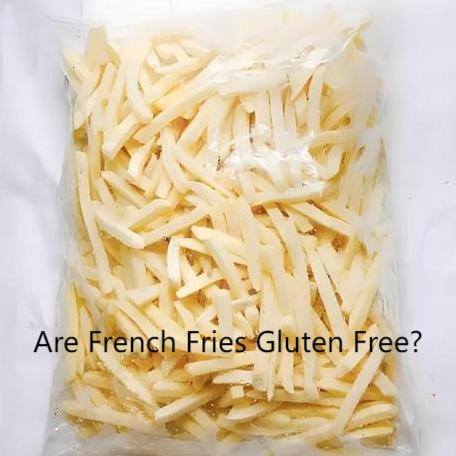
Short answer: Potatoes are naturally gluten free, but not all frozen French fries are gluten free. Gluten can appear through coatings, batters, or cross-contact during production and frying. I will explain how it happens and how to identify truly gluten-free frozen fries.
1. Why People Ask: “Are Frozen French Fries Gluten Free?”
Many people assume fries are always safe because potatoes are vegetables — but that’s only half true.
Gluten is a protein found in wheat, rye, and barley — it’s what gives bread and pasta their elasticity.
Potatoes, in their natural form, do not contain gluten.
However, when potatoes are processed into frozen fries, several steps and additives can introduce gluten. For people with celiac disease or gluten sensitivity, even trace contamination can cause serious symptoms.
2. How Frozen Fries Are Made — And Where Gluten Might Appear
Here’s how industrial frozen fries are typically produced:
| Step | Process | Gluten Risk |
|---|---|---|
| 1 | Washing & cutting potatoes | None |
| 2 | Blanching (hot water treatment) | None |
| 3 | Drying | None |
| 4 | Optional coating/battering for texture | ⚠️ Possible gluten |
| 5 | Par-frying | Possible cross-contact |
| 6 | Freezing & packaging | Possible cross-contact |
Common Additives and Their Gluten Risk
| Ingredient Type | Common Substances | Gluten Status |
|---|---|---|
| Starches | Potato, corn, rice starch | ✅ Gluten-free |
| Flours | Wheat flour, wheat starch | ❌ Contains gluten |
| Dextrins | Potato or corn dextrin | ✅ Gluten-free |
| Seasonings | Barley malt flavor, soy sauce | ❌ May contain gluten |
So even though the main ingredient (potato) is gluten free, coatings or seasonings may not be.
3. Coated vs. Uncoated French Fries
There are two major types of frozen fries:
Uncoated Fries
These usually contain just:
Potatoes
Vegetable oil
Salt or dextrose (for color and flavor)
They are typically gluten free frozen fries if produced in a gluten-free facility.
Coated or Battered Fries
These have a thin film that improves crispness.
Common coating bases include:
Rice flour, corn starch, potato starch → gluten free
Wheat flour, wheat starch, barley malt → contains gluten
Tip: Check the label for words like “battered,” “crispy coating,” or “seasoned.” If wheat is listed — it’s not gluten free.
4. The Restaurant Problem — Shared Fryers
Even gluten-free fries can become contaminated when cooked in shared oil with breaded items like chicken nuggets or onion rings.
A study published in Food Protection Trends (Thompson et al., 2021) found that fries from shared fryers sometimes exceeded the safe limit of 20 ppm gluten, meaning they cannot be labeled gluten free.
Rule:
If you have celiac disease, only eat fries from a restaurant that uses a dedicated fryer for gluten-free foods.
5. How to Identify Gluten Free Frozen Fries
Here’s a quick checklist when shopping or dining out:
✅ Choose fries labeled “gluten-free” or certified by a reliable organization.
✅ Read the ingredient list carefully — avoid wheat, malt, or barley.
✅ Avoid “coated,” “battered,” or “seasoned” fries unless clearly labeled gluten free.
✅ Ask restaurants whether fries are cooked in a dedicated fryer.
✅ For sensitive individuals, home-cooked fries from fresh potatoes are the safest option.
6. For Manufacturers and Food Businesses
If you’re producing or exporting gluten free frozen fries, follow these guidelines:
Use gluten-free starches and dextrins (potato, rice, corn).
Avoid any wheat-based coating systems.
Maintain segregated production lines or perform validated cleaning between runs.
Test final products using ELISA gluten detection methods.
Obtain Gluten-Free Certification (e.g., from GFCO, NSF, or Coeliac UK).
Doing so not only ensures safety but also gives your brand a marketing advantage — the gluten free frozen fries market is expanding globally due to rising awareness of gluten intolerance.
7. Frequently Asked Questions (FAQ)
Q1: Are frozen french fries gluten free?
Not always. Potatoes are gluten free, but coatings or seasonings may contain gluten. Always check the label.
Q2: Are McDonald’s or KFC fries gluten free?
It depends on the country and cooking oil policy. In many regions, they are cooked in shared fryers — so they may not be safe for celiac customers.
Q3: How can I make sure my fries are gluten free at home?
Use fresh potatoes, slice, rinse, and fry in clean oil — no wheat products nearby.
Summary — The Bottom Line
| Topic | Key Point |
|---|---|
| Potatoes | Naturally gluten free |
| Additives | May introduce gluten |
| Coated fries | Often contain wheat flour |
| Shared fryers | Risk of cross-contact |
| Best choice | Certified gluten free frozen fries or home-made fries |
In conclusion, gluten free frozen fries exist and are widely available, but you must read labels and verify cooking practices. Potatoes alone are safe — it’s the coatings and cross-contact you need to watch out for.
References
Thompson, T. et al. (2021). Gluten-Free Foods Cooked in Shared Fryers With Wheat. Food Protection Trends.
EatingWell. (2023). Are Potatoes Gluten-Free? EatingWell Magazine.
Celiac Disease Foundation. (2024). Sources of Gluten & Cross-Contact.
Emsland Group. (2023). Food Coating – Gluten-Free Coating Solutions for French Fries.
Ebro Ingredients. (2024). Batters, Breadings & Coatings for Gluten-Free Applications.