
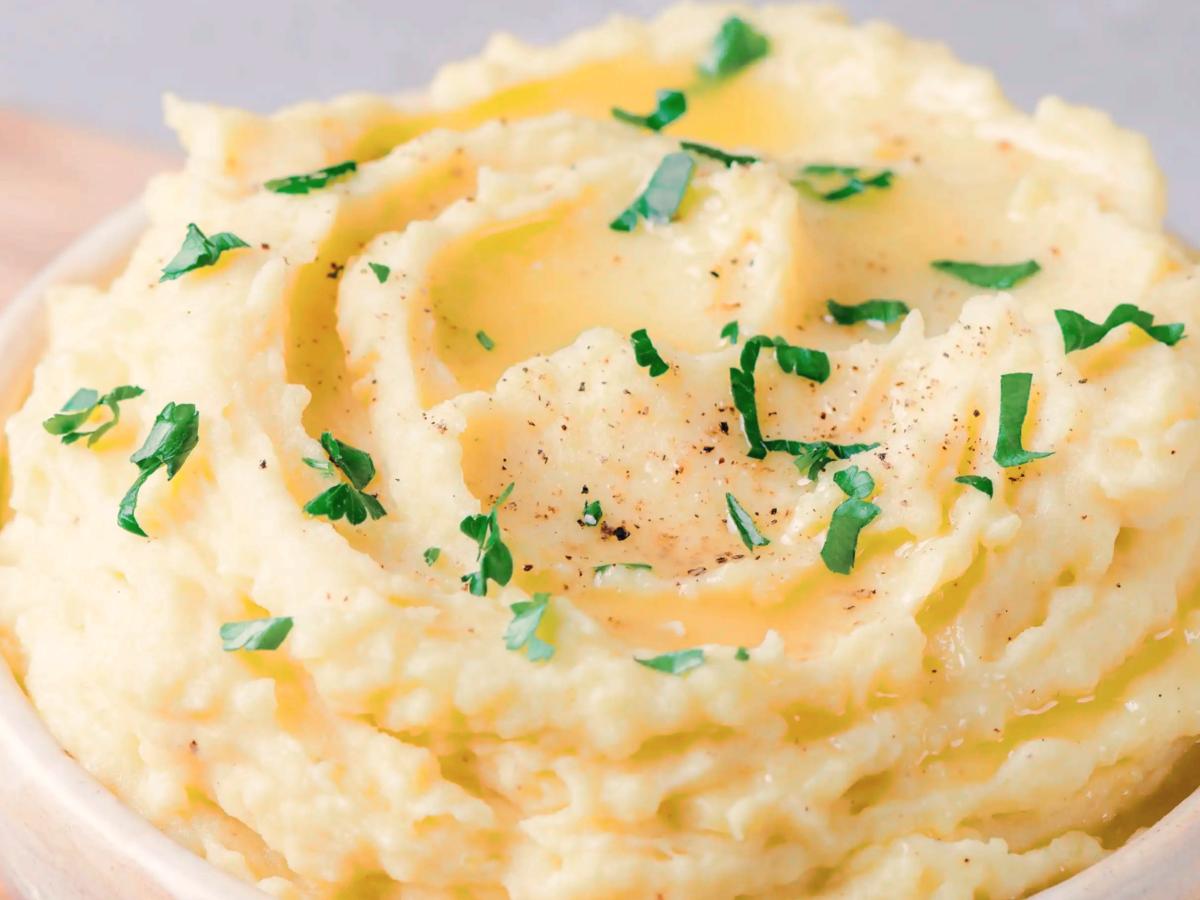
You’ve likely seen the viral food hacks: throwing leftover fries into boiling water, mashing them up, and hoping for a bowl of fluffy mashed potatoes. It sounds like a genius way to reduce waste, but does it actually work?
As someone who works on the manufacturing floor—producing and selling both frozen french fries and potato flakes—I’m here to give you the real answer. It’s not just about cooking; it’s about the fundamental science of how these two products are made.
Spoiler alert: The result is probably not what you’re hoping for.
Part 1: The Contenders – How They Are Made
To understand why one doesn’t easily turn into the other, we first need to look at their “DNA”—the raw materials and the processing methods.
1. Frozen French Fries
The Raw Material: High-quality fries usually demand specific potato varieties (often High Specific Gravity potatoes like Russet Burbank or Shepody). Major processors (like the industry giant McCain) have strict standards for shape and length.
The Process: The potatoes are washed, peeled, cut, and blanched. Crucially, they are then par-fried (partially fried) in oil before being frozen.
The Key State: They are essentially an oil-coated, partially dehydrated product structure designed to become crispy, not fluffy.

2. Mashed Potatoes (Two Types)
There are generally two ways you buy “mashed potatoes” industrially:
Frozen Mashed Potato: These are simply potatoes that have been cooked, mashed, and frozen. They retain high moisture.
Potato Flakes (Dehydrated): This is what most people know as “instant mash.”
The Raw Material: Flakes are versatile. We can use various potato varieties, including those that might be “ugly” or distinct in size but possess excellent flavor and starch content.
The Process: Potatoes are cooked, mashed, and then dried on a drum dryer into a thin sheet, which is broken into flakes.
The Key State: They are extremely dry (low moisture) but designed specifically to absorb water rapidly.
Part 2: The “Moisture & Oil” War
This is where the chemistry of cooking comes into play. The biggest difference between a french fry and a mashed potato lies in two metrics: Water Content and Oil Content.
The Comparison Table
| Feature | Frozen French Fries | Potato Flakes (for Mash) |
|---|---|---|
| Primary Goal | Crispy exterior, fluffy interior | Smooth, creamy, cohesive texture |
| Oil Content | High. Absorbed during par-frying and final frying. | Zero/Negligible. No oil is added during processing. |
| Water Content | Low. Frying is a dehydration process. | Variable. Ultra-low in flake form, but Very High when prepared. |
| Preparation | Frying drives out water. | Rehydration draws in water. |
Part 3: The Manufacturer’s Verdict (My Experience)
Expert Insight: As a manufacturer producing both lines, I see the science behind this daily. The fundamental incompatibility comes down to one simple ratio: 1:5.
The “Thirsty” Potato Flake
When we produce mashed potatoes using potato flakes, the standard reconstitution ratio is roughly 1 part flakes to 5 parts hot water.
Think about that volume. To get that fluffy, cloud-like texture of mashed potato, the raw material needs to absorb 500% of its weight in water. The flakes are structurally designed to hold this water like a sponge.
The “Sealed” French Fry
Now, look at the French Fry.
The Oil Barrier: Because the fries are par-fried (and then fried again by you), the starch granules are coated in oil. Oil and water don’t mix. This oil barrier makes it incredibly difficult for the potato to absorb the necessary amount of water to become “mash.”
Extreme Dehydration: When you fry a potato, you are aggressively removing water to create the crust. If you take a frozen fry and fry it until cooked, the moisture content drops drastically.
The Result: A Texture Mismatch
If you try to boil or mash fries:
It won’t be fluffy: You cannot force enough water back into the oil-saturated, dehydrated structure to reach that 1:5 hydration level of real mash.
The Taste: It will taste like oily, wet potato starch, rather than creamy potato.
The Mouthfeel: Instead of smooth, you will likely get a gummy or gritty texture because the starch gelatinization process was altered by the frying.
Conclusion: Stick to the Script
Can you physically mash a french fry? Yes. Will it taste like the creamy mashed potatoes you love? No.
French fries are engineered to be dehydrated and crispy. Mashed potatoes are engineered to be hydrated and creamy. As a producer, I recommend keeping them in their own lanes. If you want a quick mash, stick to the potato flakes—they are literally designed to drink up that hot water and give you the perfect texture instantly. Save the fries for the deep fryer!