
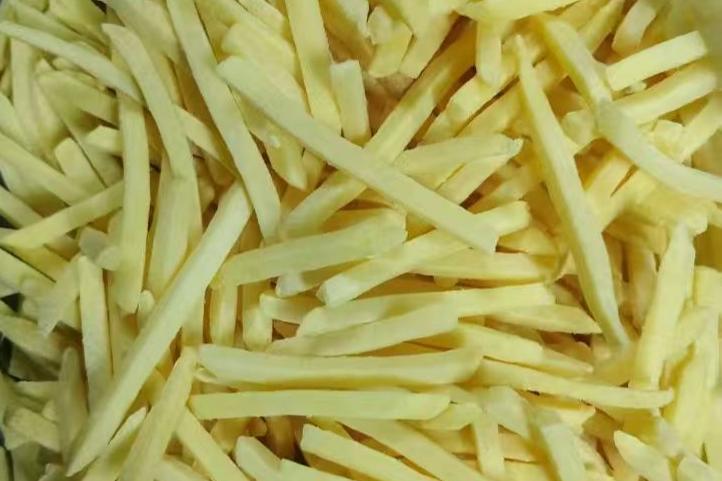
Selecting a frozen French fries manufacturer is a critical step for any food importer, distributor, or brand. While equipment and automation matter, the real differentiator lies in raw material quality, production specialization, and certified quality control systems. This guide provides a structured approach for evaluating suppliers.
Read: Frozen French Fries Production Process: From Potato to Plate
1. Location & Raw Material Sourcing
The factory’s geographical location should align with potato-growing regions suitable for fries production. Different regions produce varieties optimized either for table consumption or industrial processing. Choosing a location near processing-grade potato farms ensures access to:
Potatoes with high dry matter content
Consistent size and quality
Reduced transportation time to maintain freshness
A factory sourcing potatoes from multiple unrelated regions may face inconsistent raw material quality, which directly affects final product texture, color, and oil absorption (Food Science & Nutrition, 2025).
2. Specialization: Fries vs. Multi-Product Factories
Some suppliers produce a wide range of frozen vegetables, including fries. However, specialized French fries manufacturers focus exclusively on fries production:
Dedicated fries production lines
Annual production planning based on raw material availability
Consistent parameter control for blanching, frying, and freezing
This specialization often correlates with higher product consistency and quality.
3. Raw Material Selection & Quality Control
Professional fries producers usually prefer the McCain potato variety, known for its superior texture, color, and frying performance. When consulting suppliers, ask about the specific potato varieties used; if the supplier cannot provide this information, it may indicate a lack of expertise (Food Science & Nutrition, 2025).
Certifications & Food Safety
Verified quality certifications are essential:
HACCP
ISO 22000
Suppliers should provide documented proof of traceability, process control, and third-party audits (Accio.com, n.d.; Alibaba.com, n.d.).
“Industry selection criteria for frozen French fries suppliers emphasize not only food safety certifications like HACCP and ISO 22000, but also production scale, traceability systems, and documented quality verification such as third‑party audits with samples tested for oil absorption and texture.” (Accio.com, n.d.) (accio.com)
4. Production Capacity & Planning
Professional fries factories typically produce at least 8,000 tons per year, with some large factories exceeding 10,000 tons. They purchase raw materials according to annual production plans, ensuring:
Consistent availability of high-quality potatoes
Timely processing to maintain product freshness
Optimized parameter settings for blanching, frying, and freezing
Advanced planning reduces the risk of quality fluctuations and ensures consistent output (Accio.com, n.d.).
5. Supplier Assessment Checklist
When evaluating a potential supplier, consider:
| Criteria | Key Points |
|---|---|
| Specialization | Dedicated fries production vs. multi-product lines |
| Raw Material | Potato variety, size, dry matter content |
| Certifications | HACCP, ISO 22000, traceability, third-party audits |
| Production Scale | Annual output >8,000 tons recommended |
| Process Transparency | Ability to explain blanching, frying, freezing parameters |
| Delivery Reliability | Consistent on-time shipment and batch quality (Alibaba.com, n.d.) |
6. Common Red Flags
Supplier cannot specify potato varieties or sources
Multiple frozen product lines without dedicated fries line
Lack of formal HACCP or ISO 22000 certification
Unclear traceability or audit documentation
Inconsistent production volumes or delays in supply
7. FAQ
Why is a specialized fries manufacturer preferred over a multi-product factory?
Specialized fries producers maintain dedicated lines and parameter control, ensuring more consistent quality and reduced risk of process contamination.
Does equipment alone guarantee quality?
No. While modern equipment is essential, raw material quality and process optimization are the key determinants of consistent fries quality.
How to verify supplier certifications?
Request copies of HACCP/ISO 22000 certificates, audit reports, and traceability documentation. Cross-check with certification bodies if necessary (Accio.com, n.d.).
8. Conclusion
Choosing a reliable frozen French fries manufacturer is more than evaluating equipment—it requires a holistic assessment of raw material sourcing, production specialization, certified quality control, and operational reliability. Buyers equipped with this knowledge can make informed decisions and reduce risks associated with inconsistent fries quality.
Read more about production: Frozen French Fries Production Process: From Potato to Plate
Reference
Accio.com. (n.d.). Top frozen potato supplier selection guide: Prioritizing manufacturers, HACCP/ISO certifications, process transparency and traceability for consistent quality. Accio. https://www.accio.com/supplier/frozen-potato-supplier
Accio.com. (n.d.). How to choose frozen french fries manufacturers supplier: Selection criteria including production scale, certifications, traceability and quality verification methods. Accio. https://www.accio.com/supplier/frozen-french-fries-manufacturers
Alibaba.com. (n.d.). Frozen French fries supplier selection criteria: Evaluate supplier responsiveness, delivery reliability, and internationally recognized food safety standards for regulated markets. Alibaba. https://www.alibaba.com/price-comparison/frozen-french-fries-supplier
Food Science & Nutrition. (2025). Effect of potato variety and pretreatment methods on physicochemical and sensory properties of French fries. https://www.ebiotrade.com/newsf/2025-11/20251112001522544.htm
Author: Martin Wang
Food Scientist | Industrial Processing Expert | Potato Deep-Processing Specialist
Martin Wang is a food industry expert with over 20 years of experience in industrial food processing, product development, and global market strategy. He specializes in potato-based products, including potato flakes, fries, and starch, combining biotechnology innovations with industrial-scale production. With hands-on experience in over 30 countries, Martin brings deep insight into food safety, shelf-life management, process optimization, and quality control, helping businesses deliver high-quality, globally compliant food products.